
"natural Robusta"
3000 article(s) found

The difference between Arabica and robusta coffee beans the difference between Robusta and Arabica
Professional coffee knowledge exchange more coffee bean information please follow the coffee workshop (Wechat official account cafe_style) front street-two major coffee varieties introduction coffee belongs to the Rubiaceae coffee evergreen shrubs, mainly planted in the tropical and subtropical areas between the Tropic of Cancer (latitude 2326), this area is also known as coffee belt (Coffee Belt) or coffee area (Coffee Z)

Coffee classroom: the difference between Arabica and Robusta coffee beans
The world's coffee beans are mainly divided into two categories: small seed coffee bean Arabica (Arabica) and medium seed coffee bean Robusta (Robusta). Small seed coffee beans grow in the temperate zone and climate of Haiba, with a rich and delicate taste, strong smell, high acidity and smooth texture, bringing strong aroma and smoothness to the coffee. Medium seed coffee bean is just like its English name Ro.

A brief introduction to the flavor, taste and aroma characteristics of Ugandan boutique coffee beans with unique flavor
Uganda is the country of origin of coffee grown in Robusta, but commercial cultivation of Arabica species here did not begin until early 1900. Today, there are still a large number of wild robusta coffee trees in Uganda, which is rare in cities in the world. As a landlocked country, the large coffee cultivation in Uganda is often interplanted, where coffee trees are mixed with food crops and rubber trees.
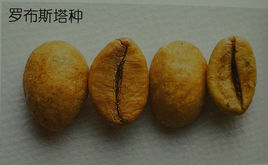
Introduction to coffee beans: learn more about Robusta coffee beans and the essence of tenacity
Robusta, one of the most important coffee tree varieties in the world. Robusta species (scientific name Coffee Robusta Linden). The leaf rust-resistant varieties found in Congo in Africa have stronger disease resistance than Arabica. In the general coffee market, many people like to compare robusta and Arabica coffee beans, which is incorrect. In fact, the Robusta progeny

Robusta Coffee picking time-how to drink Coffee Powder Flavor description Grinding scale Manor introduction
Robusta Coffee picking season-how do coffee powder drink flavor description Grinding scale Manor introduction most Arabica coffee beans mature from June to August, Robasta coffee beans are from September to October. Therefore, although in some countries where the dry and wet seasons are not obvious, such as Colombia and Kenya, there are two flowering periods a year, that is, two harvests, but strictly speaking, there is only one harvest a year.

Brief introduction of Robusta Arabica Coffee
Following Cafe (official Wechat account vdailycom) found that Beautiful Cafe opened a small shop of its own. Botanically speaking, coffee beans are divided into Arabica and Robusta. [Arabica] the cultivation conditions are relatively strict, requiring a high altitude of more than 6-2000 meters, fertile soil fertility, sufficient moisture, proper sunshine conditions and shade in order to grow high quality.

A brief introduction to the cultivation of fresh-flavored Ugandan boutique coffee beans, geographical location, climate and altitude
Ugandan coffee is mainly exported to the European Union, of which Germany, Italy and other countries are the largest buyers of coffee. Uganda is the country of origin of coffee grown in Robusta, but commercial cultivation of Arabica species here did not begin until early 1900. Today, there are still a large number of wild robusta coffee trees in Uganda, which is rare in cities in the world. As a landlocked country, Uganda

How to drink Arabica coffee? introduction to Arabica coffee.
Following caf é (Wechat official account vdailycom) found that Beautiful Caf é opened a small shop of its own Arabica species (scientific name coffee Arabica). Originated in Ethiopia (such as Ethiopia) Abyssinia Plateau (present-day Ethiopian Plateau) Arabica species, initially mainly used as medicinal food, after the introduction of the Arab world into Europe, cultivate the habit of drinking and baking

The difference of planting flavor between robusta and Arabica coffee beans
Professional baristas Please follow the coffee workshop (official Wechat account cafe_style) from a botanical point of view, coffee beans are divided into Arabica and Robusta varieties. [Arabica] the cultivation conditions are relatively strict, requiring a high altitude of more than 6-2000 meters, fertile soil fertility, adequate moisture, appropriate sunshine conditions and shade in order to grow high-quality coffee. But...

The characteristics of individual coffee and boutique coffee what are boutique coffee beans
In fact, the bitterness of robusta coffee beans (Robusta) is fascinating. We usually have coffee, such as coffee in beverage stores, convenience stores or coffee beans sold in shopping malls. Some are actually robusta coffee beans (mostly commercial beans) mixed with Arabica coffee beans (used for both boutique coffee and commercial beans) and brewed with an automatic coffee machine. These two kinds of coffee beans

Introduction of three Primary Coffee Systems is Robusta Coffee beans really chewy
Professional coffee knowledge exchange more coffee bean information please follow the coffee workshop (Wechat official account cafe_style) front street-three major coffee bean varieties there are about 40 species of coffee, but can produce commercial value coffee beans only Arabica species, Robusta species, Liberia species, these three are called the three major native species of coffee. Coffee grown in Arabica accounts for 75%.

A. P. Sumatra. Robusta coffee raw beans
North Sumatra A.P. North Sumantra A.P. Robusta Grade 3 North Sumatra is located in northern Sumatra, the fifth largest island in the world, facing the Indian Ocean to the west, the Strait of Malacca to the east, Aceh to the north, and West Sumatra to the south, with a population of about 11.3 million. Its unique geographical conditions give birth to exuberant animal and plant ecology and abundance.

North Sumatra A.P. Robusta coffee raw beans
North Sumatra A.P. North Sumantra A.P. Robusta Grade 3 North Sumatra is located in northern Sumatra, the fifth largest island in the world, facing the Indian Ocean to the west, the Strait of Malacca to the east, Aceh to the north, and West Sumatra to the south, with a population of about 11.3 million. Its unique geographical conditions give birth to exuberant animal and plant ecology and abundance.

The Central Mountains of Madagascar | the flavor of washed Arabica and Robusta coffee beans?
Professional coffee knowledge exchange more coffee bean information please follow the coffee workshop (Wechat official account cafe_style) Madagascar's Central Mountains | what is the flavor of washed Arabica and Robusta coffee beans? Producing area: the central mountain range of Madagascar. Altitude: 3600-4900 feet, natural organic pollution-free, fertile volcanic soil type. Environment: annual average temperature 24 ℃
Coffee Bean Species Arabica and Robusta Coffee Bean Relationship Wild Coffee Tree Distribution and Characteristics
A lot of people compare Arabica to Robusta beans and think they're in a tie. Robusta is actually older than Arabica, which is pollinated by a cross between Robusta and Coffea canephora. Let Xiaobian popularize the following little knowledge for everyone today! Of all the catalogued species in the genus Coffea, only three have quotient.
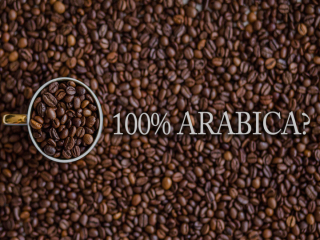
What do you mean by 100% Arabica coffee beans? Differences between Arabica and Robusta Coffee varieties
I believe everyone will notice some coffee slogans, ". 100% Arabica coffee beans. " . What does that mean? Arabica coffee, that is, small-grain coffee, is what we think tastes better at present. Because of its excellent flavor, it has been selected and widely planted by human beings.

A brief introduction to the history and culture of the origin and development of plain and mild Ugandan boutique coffee beans
Uganda is the country of origin of coffee grown in Robusta, but commercial cultivation of Arabica species here did not begin until early 1900. Today, there are still a large number of wild robusta coffee trees in Uganda, which is rare in cities in the world. As a landlocked country, the large coffee cultivation in Uganda is often interplanted, where coffee trees are mixed with food crops and rubber trees.
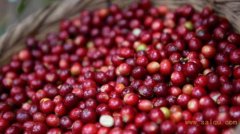
A brief introduction to the cultivation of high-quality and pollution-free boutique coffee beans in Uganda, geographical location, climate and altitude
The cultivation of coffee in Uganda is all small-scale family operation. The livelihood of 25% of the population is closely related to coffee production. About 500000 farms grow coffee, but mainly Robster. Robusta accounts for 90% of coffee production, and the remaining 1 is Arabica coffee. Arabica and Robusta are harvested from October to February. Ugandan coffee
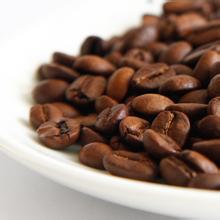
The role of Robusta beans in Italian Coffee blending A comparison of the proportion of Coffee blending
Original: Robustas Rehab address: Robustas Rehab, http://www.coffeegeek.com/opinions/cafestage/02-01-2006. Partial content: It was hard to miss the 100% Arabica sign at theMolinari Caff booth during the Specialty Coffee Association of Americas (SCAA)

Introduction to the price characteristics of Brazilian Arabica ground coffee Robusta
Introduction to the price characteristics of Brazilian Arabica ground coffee Robusta, if you want to ask the country or region that loves Robbins most in the world, the first place is the hometown of espresso "Italy"! To narrow it down further, to be precise, the largest use of robusta beans is in southern Italy, such as Palermo and Sicilia.